
Data Centers
DID YOU KNOW?
the Potomac River basin has the largest concentration of data centers in the world. Most of which are nestled in Northern Virginia, now known as “Data Center Alley” – a mega hub of data center infrastructure estimated to handle 70% of all global internet traffic.
Northern Virginia is home to one of the world’s largest clusters of data centers. And as more facilities are proposed across the Potomac watershed, there’s a question worth asking: What does all this growth mean for the rivers, streams, and drinking water we depend on?
Every time we stream a show, store a photo, or use an AI tool, data centers help make it possible. These large facilities house the computers that keep our digital lives running. But they also need electricity, cooling, and land. Their effects on water vary widely depending on how and where they are built—and with so many projects on the horizon, we need to look at the bigger picture.
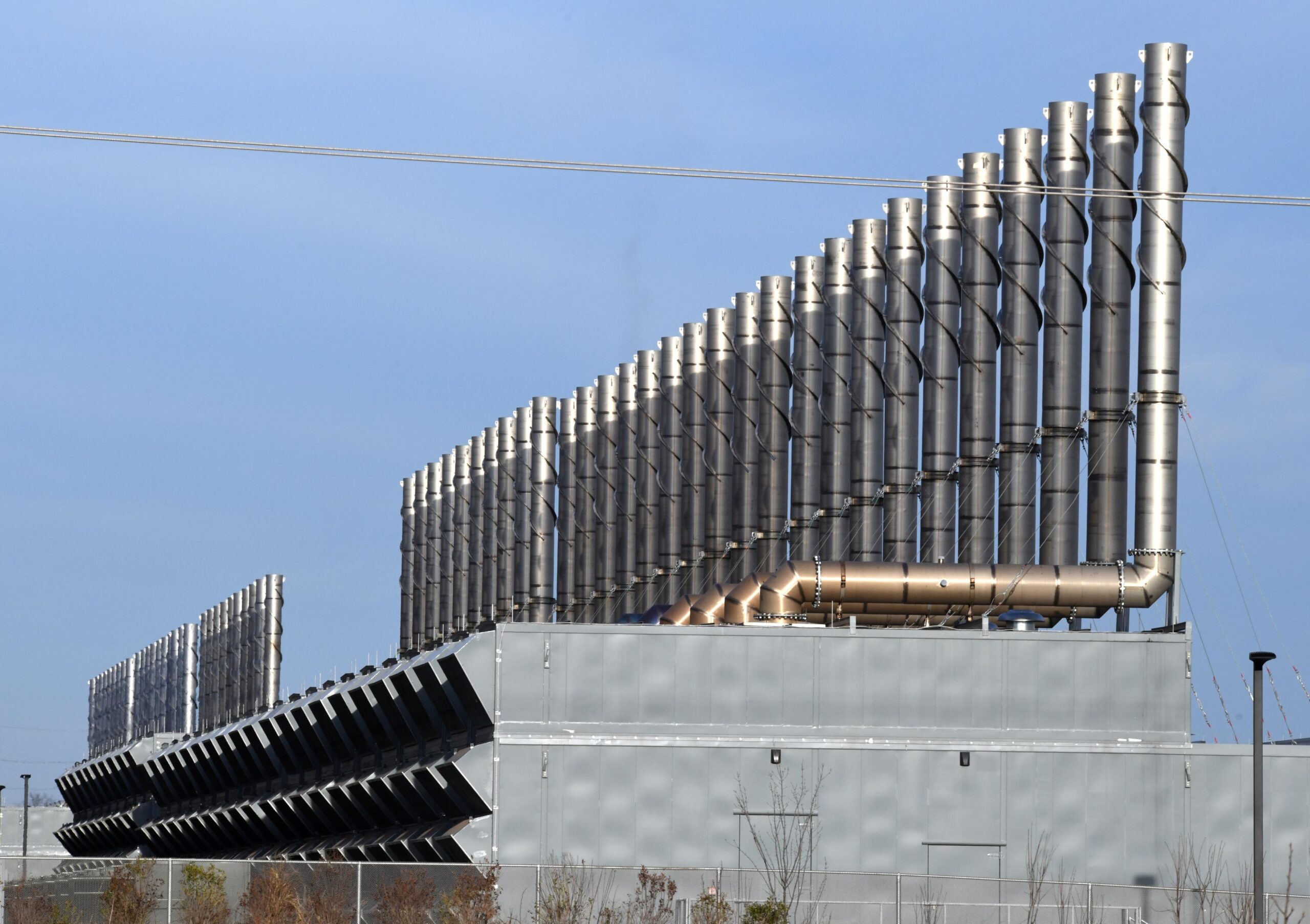
A data center is an industrial facility that houses expansive, high-powered computing equipment to continuously store and process data for users globally. An average AI data center contains 200,000 computer servers, miles of wiring, batteries, water systems, hundreds of air conditioning units, and is supported by dozens of high-powered, industrial backup diesel generators. Data centers operate constantly, using massive amounts of water in order to cool and power their systems. In our region, they draw this water from Potomac-fed water supplies. This is especially important during the hottest days of the year, when data center water demand spikes at the most water-stressed time of year.
Why This Matters for the Potomac and Shenandoah Rivers
Data center proposals are multiplying across our region. AI is helping drive that growth, though not every proposed project will necessarily be built. What happens next matters: choices about water use, wastewater, construction, and power infrastructure can shape the health of the Potomac and Shenandoah for years to come.
The Potomac River watershed remains a legacy hub and now has more than 350 operating data centers and is projected to surpass 1,000 – placing 200 million square feet of buildings on roughly 20,000 acres of land.
Because of the unprecedented construction of these facilities in our watershed, the exact impacts on the environment and water quality remain unclear. However, the primary concerns associated with data centers include:
- Water drawdowns
- Periodic cooling system discharge
- Increased polluted runoff
- Construction site pollution
- Threats from fuel spills
- Threats to drinking water intakes
- Risk of substation fires
- Toxic e-waste in landfills
- Developments on toxic sites
- Impacts from power line construction
- Power plant operation threats
Rapid data center expansion helped the Potomac River earn the title of America’s Most Endangered River in 2026.
How PRKN is taking action
The extent of data center impacts on river systems and waterways is still not fully understood, and comprehensive analyses and assessments are needed to begin to grasp their effects on our rivers. What we do know is that when unchecked, these installations can pose serious risks to the watershed and the primary clean drinking water source for six million people in the Potomac River basin.
PRKN is keeping a watchful eye on the Potomac and Shenandoah rivers for data center impacts and fighting for adequacy of state permitting, such as for cooling system releases, and will call for more public stream monitoring on tributaries where high concentrations of these facilities are upstream from drinking water intakes. Importantly, PRKN will be a voice to ensure that clean water protections are seriously managed in data center development.