The Shenandoah River
About THE Shenandoah WATERSHED
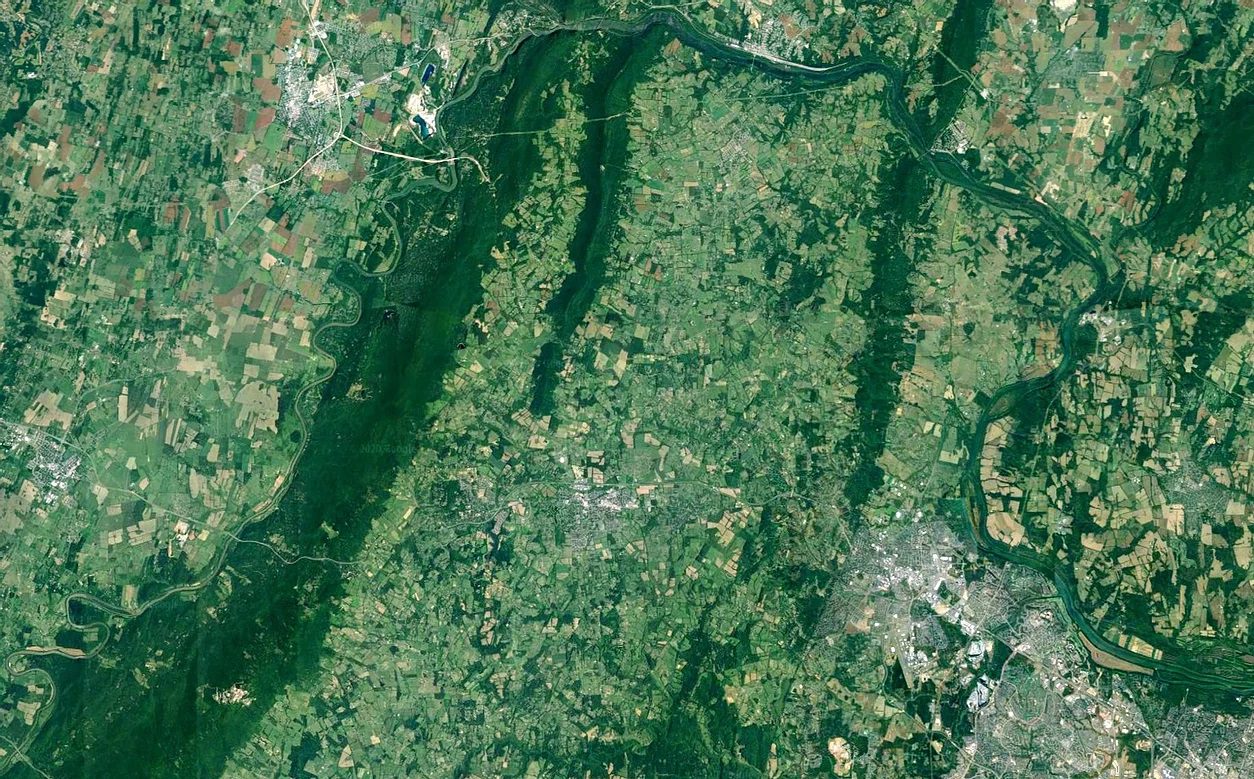
The Shenandoah River consists of two branches, the North and South Forks, which both run approximately 100 miles before meeting in Front Royal, VA. From there, it continues another 57 miles before joining with the Potomac River in Harpers Ferry, WV. The Shenandoah, which derives its name from the Native Americans who inhabited its banks as far back as 13,000 BC. Tribes included the Iroquois, or the Six Nations tribe; the Shawnee; the Delaware; the Catawbas; and the Cherokees. Some burial mounds from before colonial settlement still exist along the river today.
European colonists arrived in the area in the 17th century and stayed close to the Shenandoah, accounting for its abundance of fertile land. The Shenandoah River not only provides rich soils for farming, but also supports a wide variety of species, including white-tailed deer, black bears, bobcats, coyotes, eastern brook trout, red-tailed hawks, and the endangered Shenandoah salamander.
As settlers arrived, the Shenandoah’s landscape began to change, with mills appearing on the banks and wooden trade boats called gundalows on the waters. At the end of a gundalow’s journey, rather than trying to endure a trip against the flow of the river, the boat would be sold and used as lumber to build homes. Nowadays, the Shenandoah watershed is known best as being a top destination for small-mouth bass fishing!