The Potomac River
About THE POTOMAC WATERSHED
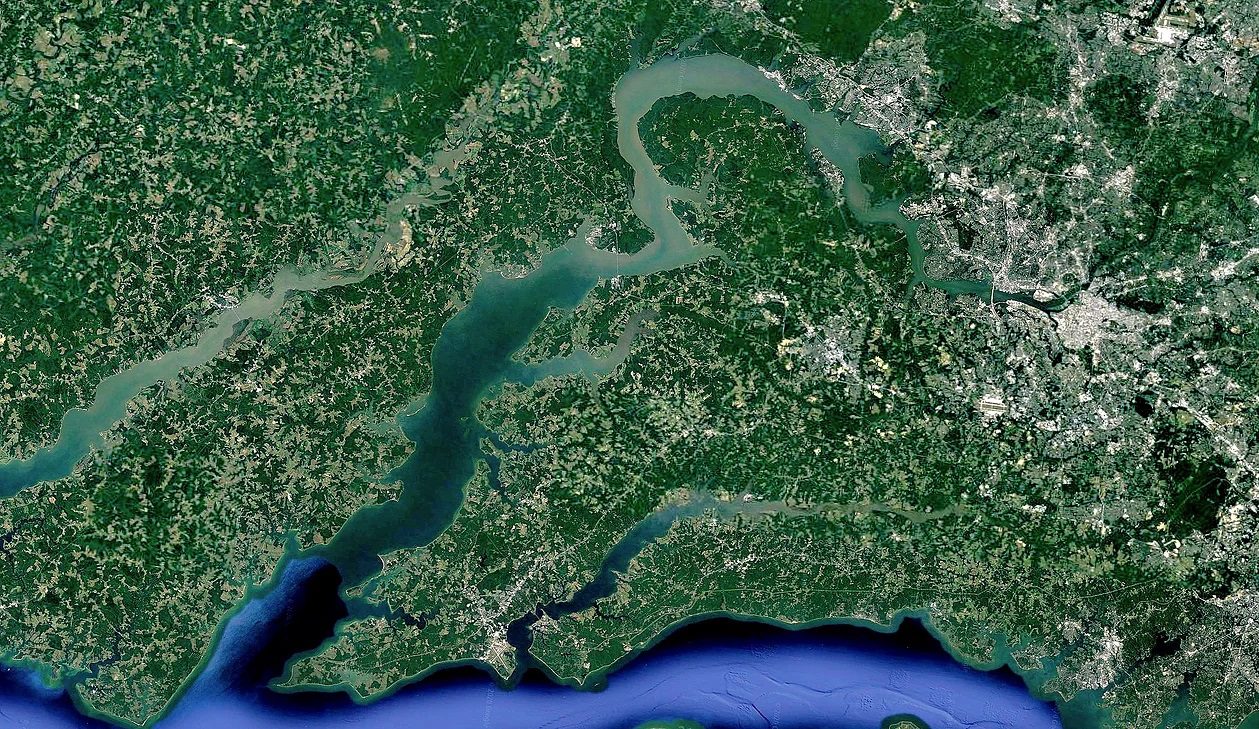
Known as the Nation’s River, the lower stretch of the Potomac River runs from Harpers Ferry to Point Lookout, MD where it becomes a tidal waterway emptying into the Chesapeake Bay. The Potomac River transitions from freshwater to tidal estuarine that supports a host of aquatic life, including shad, herring, striped bass, largemouth bass, short-nosed sturgeon, oysters, blue crabs, river otters, and more than 1000 bottlenose dolphins that frequent the river every summer!
However, the Potomac’s ecosystem is not the only diverse thing about it: this river’s cultural history is just as abundant. The name “Potomac” gets its origins from the Native American tribe, the Patawomeke. The Patawomeke allied with Jamestown settlers to fight in the First Anglo-Powhatan War of 1612, but were eventually pushed out of the area as more settlers colonized the land. Descendants of the Patawomeke, now recognized as the Patawomeck Indian Tribe of Virginia, still reside along the river in Stafford County, VA.
The Potomac River also shares a particularly colorful history with colonial America, first being surveyed by the European Captain John Smith in 1608. The United States’ first President, George Washington, was born in Westmoreland County, a Virginian region along the Potomac, and spent his life in the watershed. The Potomac also served as both a political and physical barrier between the Confederacy and Union during the Civil War.
Today, the river still serves as an important natural resource for the residents of the Potomac River basin, particularly in providing drinking water for millions.